04 November 2026
Can You Eat Normally With Dental Crowns?
Presented by @holdensdiq825


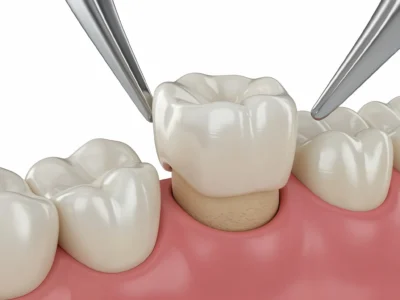
For most people, the short answer is yes, you can eat normally with dental crowns. That is usually the point of getting one. A crown is meant to restore a tooth that has been weakened, heavily filled, cracked, worn down, or treated with a root canal. Once it is properly fitted and bonded, it should let you chew with confidence again.
That said, "normally" needs a little context. A crowned tooth is not identical to the tooth you had at age twenty, before any damage or dental work. It can feel different for a while. It may need a short adjustment period. And some habits, especially biting ice, tearing open packets with your teeth, or chewing very sticky candy, can shorten the life of even a well-made crown.
People often ask this question because they are worried about breaking something expensive, or because they have heard mixed advice after treatment. One dentist says eat whatever you want after a day or two. A friend says never chew steak on that side again. The reality sits in the middle. Dental crowns are durable restorations, but they are still restorations. Good ones are designed to handle everyday meals, not abuse.
What a crown is actually doing
A dental crown is a custom-made cap that covers the visible part of a damaged tooth. It strengthens the tooth, restores shape, and gives you a usable biting surface. Crowns can be made from porcelain, ceramic, metal alloys, zirconia, or combinations of materials. The best option depends on where the tooth is, how much force it takes when you chew, your bite pattern, and how much natural tooth remains.
If a back molar has a large old filling and a crack running through one cusp, a crown can hold the tooth together and spread chewing Dental Crowns forces more evenly. If a front tooth has been broken or root treated, a crown may restore both appearance and function. In practice, the goal is simple: to help you eat, speak, and smile without constantly protecting that tooth.
Patients are often surprised by how much a damaged tooth changes eating even before treatment. They chew on the opposite side, avoid crusty bread, skip nuts, and think nothing of it. Then the crown goes on and they realize how much compensation they had built into daily life.
The first few days are not the long game
A lot of confusion comes from mixing up short-term aftercare with long-term expectations. Right after a permanent crown is placed, your dentist may tell you to go easy on that side for a few hours, especially until any numbness wears off. If the crown was cemented that day, some practices recommend avoiding very sticky or hard foods until the bond has fully set. That advice is practical, not a sign that the crown is fragile forever.
The first twenty four to forty eight hours can include mild tenderness, particularly if the tooth was inflamed beforehand or needed extensive preparation. The gums around the tooth may also feel sore. Chewing can seem awkward because your mouth is very sensitive to small changes in height and shape. A crown that is only a fraction too high can make biting feel sharp or uneven.
This adjustment period matters. Many people assume that if a crowned tooth feels strange on day one, normal eating is off the table for months. Usually that is not the case. Most well-fitted crowns settle into Simple Dental Vermont Dental Crowns daily function quite quickly. If discomfort persists, the issue is more often the bite, the gum tissue, or the underlying tooth, not the idea of chewing itself.
What “eating normally” really means
In dental terms, eating normally means you can chew a varied everyday diet without pain, looseness, or fear that the restoration will come off under ordinary use. It means biting into a sandwich, chewing chicken, eating cooked vegetables, having fruit, rice, pasta, toast, and most regular meals.
It does not mean your teeth become tools. Crowns can handle chewing, but they are not meant for cracking nutshells, chomping ice cubes, holding hairpins, or opening bottle caps. Natural teeth are also damaged by those habits, but restorations tend to fail faster under them.
A useful comparison is a good tire on a car. You can drive confidently on it in normal conditions, but that does not make curbs harmless or road debris irrelevant. The crown should let you return to ordinary life. It does not erase physics.
Texture matters more than nutrition
Patients sometimes ask whether certain foods are “allowed” after getting dental crowns, as if the issue is whether a food is healthy or unhealthy. That is usually the wrong frame. The tooth and the crown mostly care about texture, force, and stickiness.
A fresh apple may be nutritionally excellent, but biting directly into a very hard one with a front crown can be risky if the tooth underneath is already structurally compromised. Sliced apple is a different story. Caramel is soft at first, but it can pull hard on a crown margin when it sticks. Toasted nuts are usually fine for many people, but not if the crowned tooth is newly sensitive or if the bite is heavy on that side.
This is why two patients with the same material can get very different advice. The crown itself is only one piece of the puzzle. The tooth beneath it, the way upper and lower teeth meet, clenching habits, and whether there are implants or other restorations nearby all affect what “normal” looks like.
Foods that commonly cause problems
Most meals are not a problem. The troublemakers are predictable, and they tend to involve either extreme hardness or strong pulling force.
- Ice, especially chewing it habitually
- Very sticky sweets such as caramels or taffy
- Hard candies that invite biting
- Popcorn kernels and unpopped pieces
- Bones, shells, and similar hard fragments in food
Notice that this list is short. It is not a ban on pleasure. It is simply the kind of common-sense caution that helps crowns last longer.
The material of the crown makes a difference, but not as much as people think
Patients often want a simple ranking: which crown lets me eat everything? In reality, every material has strengths and trade-offs.
Porcelain and layered ceramic crowns can look very natural, which makes them popular for visible teeth. They perform well, but some cosmetic ceramics are more prone to chipping under heavy bite forces, especially if placed where grinding pressure is intense.
Zirconia crowns are known for strength and are frequently used on back teeth for that reason. Many patients with zirconia crowns do very well eating a full diet. But strength is not immortality. A zirconia crown can still cause problems if the bite is off or if the underlying tooth structure is poor.
Metal and porcelain-fused-to-metal crowns have a long track record. They may not be the first choice for appearance in every visible area, but they often hold up well in function.
What matters clinically is not just the crown material but the whole setup: enough tooth reduction to create a proper thickness, a clean fit at the margin, a solid cement bond, and a bite that distributes pressure well. A beautifully marketed material placed poorly will fail sooner than a modest material placed carefully.
Why some people struggle to chew even when the crown looks fine
A crown can look perfect on an X-ray and still feel wrong when chewing. That usually points to one of a few common issues.
The first is bite interference. If the crowned tooth hits first when you close your mouth, it takes more force than it should. Patients describe this in different ways. Some say it feels tall. Some say they cannot find a comfortable position to bite. Others say the tooth is not painful until food touches it. A small adjustment often fixes this.
The second is inflammation around the ligament that supports the tooth. If the tooth had a crack, deep decay, or recent root canal, the surrounding tissues may stay tender for a while. You can technically chew, but your body resists putting weight there.
The third is gum irritation near the crown margin. When the area around the tooth is sore, even normal chewing can feel like pressure in the wrong place.
The fourth is a deeper problem in the tooth itself, such as unresolved nerve irritation, a crack extending below the crown line, or a root problem. In those situations, the issue is not with eating normally, but with whether that tooth is stable enough to tolerate force at all.
This is why a follow-up matters if chewing still hurts after the initial settling period. Many people wait too long because they assume discomfort is part of having dental crowns. Often it is simply something that can be adjusted.
Crowns on front teeth versus back teeth
Where the crown sits in your mouth changes the experience.
A front tooth crown mainly handles biting and tearing. Think sandwiches, pizza crust, or biting into fruit. These teeth also matter more for appearance and speech, so the shape can feel very noticeable at first. Even a slight thickness difference on the back of a front crown can alter the way the tongue moves.
Back tooth crowns, especially on molars, take heavier vertical chewing forces. These are the workhorses. If you are asking whether you will be able to eat steak, chew crusty bread, or handle a normal dinner, the answer depends heavily on how comfortable and balanced your molar crowns feel.
Patients with a front crown are often able to eat quite normally but benefit from one practical adjustment: cut very hard foods into pieces rather than biting straight in with the front teeth. That is less about fear and more about preserving the restoration over time.
Temporary crowns are a different story
One reason people hear conflicting advice is that temporary crowns do require more caution. A temporary is often made from a less durable material and attached with a weaker temporary cement. It is there to protect the tooth and hold space while the permanent crown is being made.
With a temporary crown, dentists commonly advise avoiding sticky foods and chewing carefully on that side. That guidance is sensible because temporary crowns come off more easily. Patients sometimes remember those instructions and apply them forever, even after the final crown is placed.
The difference is important. If your permanent crown is fitted well and your dentist has cleared you to use it normally, the rules change.
If you grind or clench, normal eating may not be the real threat
For many crowns, the greater danger is not lunch, it is nighttime grinding. Bruxism places repeated, concentrated force on restorations. It can chip porcelain, loosen cement over time, and create soreness that makes chewing feel unsafe even if food is not the actual cause.
Some people notice flat wear facets on their teeth. Others wake with jaw tightness or headaches. Many have no clue they clench until a crown fractures or a dentist points out the signs.
If you have crowns and a grinding habit, a night guard can make a real difference. It will not guarantee a crown lasts forever, but it can reduce the excess forces that shorten restoration life. Patients who protect their crowns at night often have far fewer daytime worries about what they can eat.
How long before a crown feels like your own tooth
There is no single timeline, but a lot of people adjust within a few days to a couple of weeks. If the tooth was simple and healthy before the crown, adaptation can be quick. If there was a root canal, a deep fracture, gum inflammation, or a major bite correction, it may take longer.
The sensation of "foreignness" usually fades before the crown stops attracting your attention. Patients often say, "I can still tell it is there." That is not necessarily a problem. Your mouth is extremely good at sensing detail. The more useful question is whether you can chew without pain and whether the tooth feels secure.
If you are still avoiding that side after two weeks because the bite feels off, because chewing feels sharp, or because floss catches at the edge, ask for a review. Small corrections made early can prevent bigger problems later.
Signs that eating is not normal and should be checked
Some symptoms deserve a second look rather than more patience. These include:
- Pain when biting down or releasing the bite
- A crown that feels loose, rocks, or catches floss badly
- Persistent sensitivity to cold or sweets after the first settling period
- Gum swelling, bad taste, or food packing around the crown
- Repeated chipping of the crown or the tooth opposite it
These are not automatic emergencies, but they are worth addressing. A crown should support normal function, not create a running negotiation every time you eat.
Practical habits that help crowns last longer
The best long-term results usually come from ordinary discipline, not complicated care. Brush thoroughly around the gumline, floss carefully, and do not skip cleanings. Decay can still form at the edge where the crown meets the tooth. The crown itself cannot decay, but the tooth under and around it certainly can.
Try not to chew only on one side for months at a time unless your dentist has specifically advised it. Overprotecting a restored tooth can create its own imbalance. Muscles adapt. Bite forces shift. Food gets habitually steered away from one area, which can make normal chewing feel harder to relearn.
Be especially careful with habits that do not look like habits. People absentmindedly chew pen caps, bite fingernails, hold pins in their teeth, or crunch ice from the bottom of a drink cup. Those small repeated actions do more damage than the occasional chewy meal.
If you have had several crowns, ask your dentist whether your bite shows signs of heavy loading. That one conversation can save you a lot of future repair work.
What older crowns can and cannot tell you
Many patients judge a new crown by an older one they have had for years. That makes sense, but it is not always a perfect comparison. The mouth changes. Supporting teeth drift. Fillings on adjacent teeth alter contacts. Gums recede. A crown placed fifteen years ago in a different part of the mouth may not predict how a new one will feel.
At the same time, your history does matter. If you have repeatedly broken crowns on the same side, or if one specific type of crown keeps chipping, that is a clue. There may be a bite pattern, a grinding habit, or an underlying tooth issue that needs more than another replacement. In practice, repeat failures often tell a more useful story than a single crown that feels odd in the first week.
The age question, the root canal question, and other edge cases
Older adults often ask whether crowns will let them return to a broad diet after years of avoiding hard foods. Often yes, but only if the surrounding teeth and gums can support balanced chewing. If several teeth are mobile, missing, or heavily worn, one excellent crown cannot solve every function problem alone.
Teeth that have had root canal treatment deserve special mention. They are common candidates for crowns because they can become more brittle over time. A crown usually improves their long-term survivability by protecting what remains. Patients sometimes become overly cautious with these teeth. Sensible caution is fine, but a root-treated tooth with a well-made crown is generally intended to function in regular chewing.
Cracked tooth cases are trickier. Sometimes the crown settles the problem completely, and the patient eats normally again. Sometimes the crack extends further than anyone hoped, and biting pain lingers. That is not a failure of eating advice. It is the nature of cracks, which can be unpredictable.
So, can you eat normally?
Yes, in most cases you can eat normally with dental crowns, and that is exactly what they are designed for. The better question is whether your version of normal includes habits that would challenge any tooth, restored or not. Everyday meals, varied textures, and regular chewing should be realistic once the crown is properly fitted and any initial sensitivity settles down.
The people who do best tend to understand two things at once. First, a crown is strong enough for ordinary life. Second, it is worth respecting. If you give it a stable bite, keep it clean, and avoid using it like a multitool, it can serve you very well for many years.
If your crown is stopping you from chewing on that side, causing pain with food, or making every meal feel cautious, that is not something you simply have to live with. Often the fix is straightforward. A small bite adjustment, a polish, a check of the contact points, or a closer look at the tooth underneath can make the difference between guarding the tooth and forgetting about it altogether. And for most patients, forgetting about it is the real mark of success.
Simple Dental Vermont
Address: 8914 S Vermont Ave, Los Angeles, CA 90044
Phone number: +13239493000
FAQ About Dental Crowns
How much do crowns cost per tooth?
In the United States, a single dental crown typically costs between $800 and $2,500 per tooth without insurance. The ultimate out-of-pocket price depends heavily on the crown material, the location of the tooth, and whether you have dental insurance coverage.
What is the downside of crowns on teeth?
The primary downside of a dental crown is that the procedure permanently removes natural tooth enamel to shape the tooth for the cap.
Why do dentists push for crowns?
Dentists recommend crowns because a large filling cannot provide enough strength when a tooth loses a major portion of its structure or faces heavy chewing pressure.